Fruits are one of the most important parts of a healthy diet. They are packed with essential vitamins, minerals, antioxidants, and natural nutrients that help the body function properly. People of all ages are encouraged to include fruits in their daily meals because they support overall health, improve energy levels, strengthen the immune system, and reduce the risk of many diseases. Whether eaten fresh, blended into smoothies, added to salads, or consumed as healthy snacks, fruits play a major role in maintaining physical and mental well-being.

In today’s fast-paced lifestyle, many people rely heavily on processed foods, sugary snacks, and unhealthy eating habits. This has led to an increase in obesity, heart disease, diabetes, digestive problems, and low energy levels. Adding more fruits to the diet is one of the simplest and most effective ways to improve health naturally. Fruits provide the body with nutrients that are essential for growth, repair, and proper functioning without adding harmful fats or excessive calories.
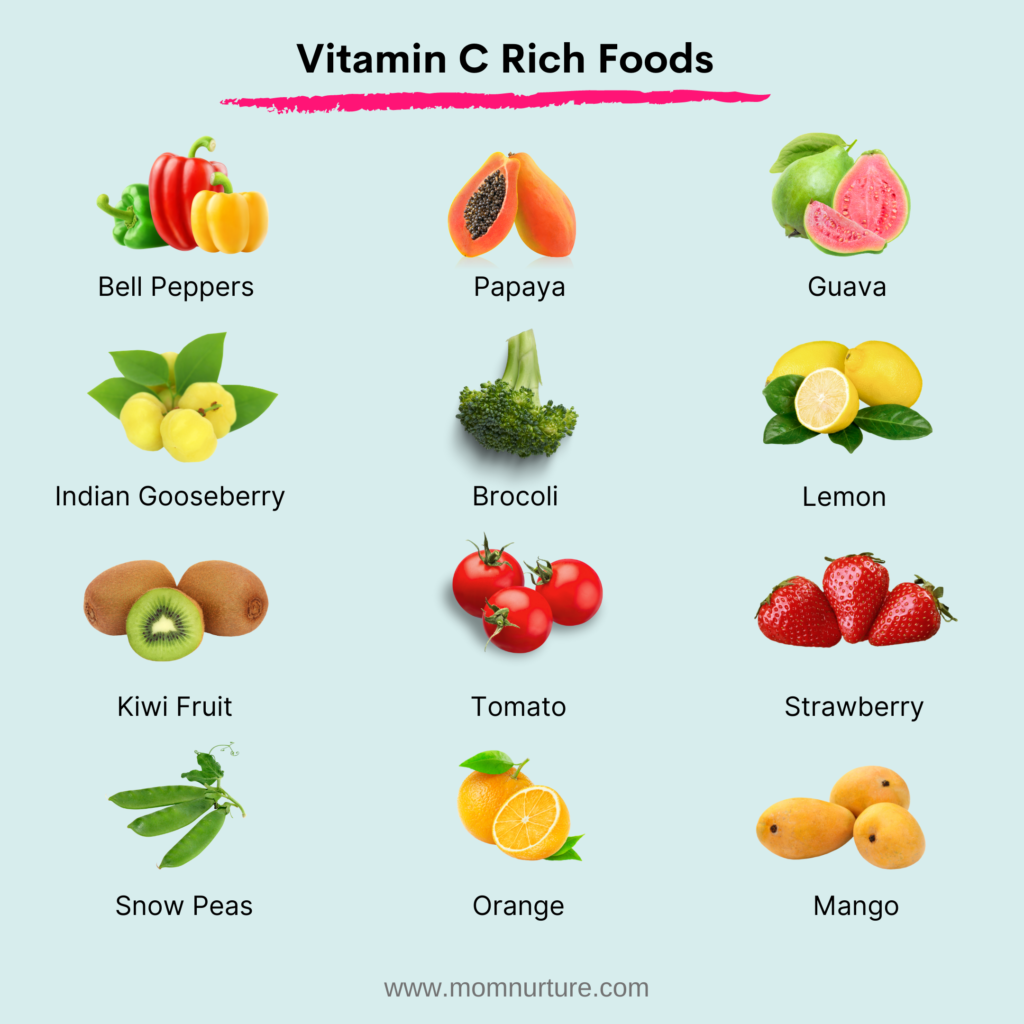
One of the greatest benefits of fruits is their rich vitamin content. Different fruits contain different vitamins that help support various functions in the body. For example, oranges, lemons, and other citrus fruits are rich in vitamin C, which helps strengthen the immune system and protect the body against infections. Vitamin C also helps the body produce collagen, which is important for healthy skin, gums, and tissues. Bananas are rich in potassium, a mineral that supports heart health and helps maintain proper muscle and nerve function. Mangoes and papayas contain vitamin A, which is beneficial for eye health and healthy skin.
Fruits are also an excellent source of dietary fiber. Fiber is important for maintaining a healthy digestive system and preventing constipation. Eating fruits regularly helps improve bowel movements and supports gut health. Fiber also helps people feel fuller for longer periods, reducing unhealthy snacking and overeating. This is especially helpful for individuals trying to maintain a healthy weight or lose excess body fat. Apples, pears, berries, and guavas are examples of fruits that are high in fiber and can support better digestion and appetite control.
Another important reason to eat fruits is their antioxidant content. Antioxidants help protect the body from damage caused by harmful molecules known as free radicals. Free radicals can contribute to aging, inflammation, and chronic diseases such as cancer and heart disease. Fruits like blueberries, strawberries, grapes, and pomegranates are rich in antioxidants that help protect cells and support long-term health. Consuming antioxidant-rich fruits regularly may also help slow down signs of aging and improve skin appearance.
Fruits are naturally low in calories and fat, making them an ideal choice for healthy eating. Unlike processed snacks that contain added sugars and unhealthy fats, fruits provide natural sweetness along with nutritional benefits. Replacing unhealthy snacks with fruits can help reduce calorie intake and support better weight management. For example, eating an apple, watermelon slices, or a bowl of mixed berries can satisfy sweet cravings while providing important nutrients to the body.
Heart health is another area where fruits play an essential role. Many fruits contain nutrients that help lower blood pressure, reduce cholesterol levels, and improve blood circulation. Potassium-rich fruits like bananas and oranges help regulate blood pressure levels. Fiber-rich fruits help lower bad cholesterol levels, reducing the risk of heart disease and stroke. Studies have shown that people who consume fruits regularly are less likely to develop cardiovascular problems compared to those who eat fewer fruits.
Fruits also contribute to better hydration. Many fruits have high water content, which helps keep the body hydrated throughout the day. Watermelon, oranges, strawberries, pineapples, and cucumbers are examples of fruits with high water levels. Proper hydration is important for maintaining body temperature, supporting digestion, improving skin health, and keeping energy levels stable. Eating water-rich fruits during hot weather can help prevent dehydration and fatigue.
The importance of fruits extends beyond physical health. Fruits can also have a positive effect on mental health and mood. Nutrients found in fruits help support brain function and reduce stress levels. Some fruits contain natural compounds that may help improve concentration, memory, and emotional well-being. Bananas, for example, contain vitamin B6, which helps the body produce serotonin, a chemical linked to mood regulation and happiness. Eating a balanced diet rich in fruits may help reduce feelings of anxiety and mental fatigue.
Children especially benefit from eating fruits regularly. Fruits provide essential nutrients needed for growth, strong bones, healthy teeth, and brain development. Encouraging children to eat fruits from an early age helps build healthy eating habits that can continue throughout their lives. Instead of sugary candies and packaged snacks, fruits can serve as delicious and nutritious alternatives. Fruit salads, smoothies, and homemade fruit juices are excellent ways to make fruits more appealing to children.
Athletes and physically active individuals also benefit greatly from fruits. Fruits provide natural sugars that give quick energy before or after workouts. Bananas are commonly eaten by athletes because they help restore energy and replenish potassium lost through sweat. Fruits like berries and cherries may also help reduce muscle soreness and support recovery after exercise due to their anti-inflammatory properties.
In addition to personal health benefits, fruits also contribute to a healthier lifestyle overall. Many fruits are widely available, affordable, and easy to include in daily meals. They can be eaten at breakfast, as snacks, in desserts, or as part of lunch and dinner recipes. Fresh fruits are generally healthier than processed fruit products because they contain more natural nutrients and less added sugar. Choosing seasonal fruits can also provide fresher taste and better nutritional value.
Despite all these benefits, many people still do not consume enough fruits each day. Health experts generally recommend eating multiple servings of fruits and vegetables daily to maintain good health. Small changes, such as replacing sugary drinks with fresh fruit smoothies or carrying fruit as a snack, can make a significant difference over time. Developing the habit of eating fruits daily can improve health, increase energy, and reduce the risk of many lifestyle-related diseases.
In conclusion, fruits are an essential part of a healthy and balanced diet. They provide important vitamins, minerals, fiber, antioxidants, and natural energy that support overall health and wellness. Regular fruit consumption helps improve digestion, strengthen the immune system, support heart health, maintain healthy weight, and promote better mental well-being. Fruits are not only nutritious but also delicious, versatile, and naturally refreshing. By making fruits a regular part of daily life, people can enjoy long-term health benefits and lead healthier, happier lives.